Healthcare SaaS – Value-Based Care Copy
Turning Complex Healthcare Analytics Into a Compelling Story
Clarifying a Complex Value-Based Care Platform
Healthmonix builds SaaS tools that help large healthcare systems improve performance and maximize reimbursement in Value-Based Care programs. Despite strong expertise, the brand struggled to communicate its impact in a clear and human way.
My role
In-house creative director working across brand, product, and marketing. I led visual direction, hands-on design, and built the systems that internal teams could ship from without starting from scratch every time.
Section A · Product Experience – In-product UI
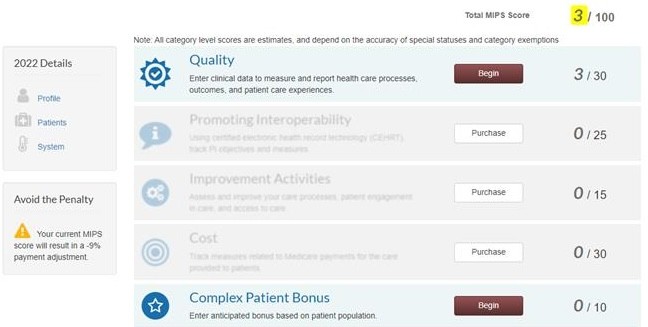
Product Dashboard evolution - Low score anxiety to actionable coaching.
Before → Static Score State
A low score (3/100) is highlighted, but there is no guided path to improve it.
Score presented as a harsh, static number.
No clear next step to improve performance.
Upsell messaging siloed outside the core workflow.
After → New UX | Guided & Upsell - aware state
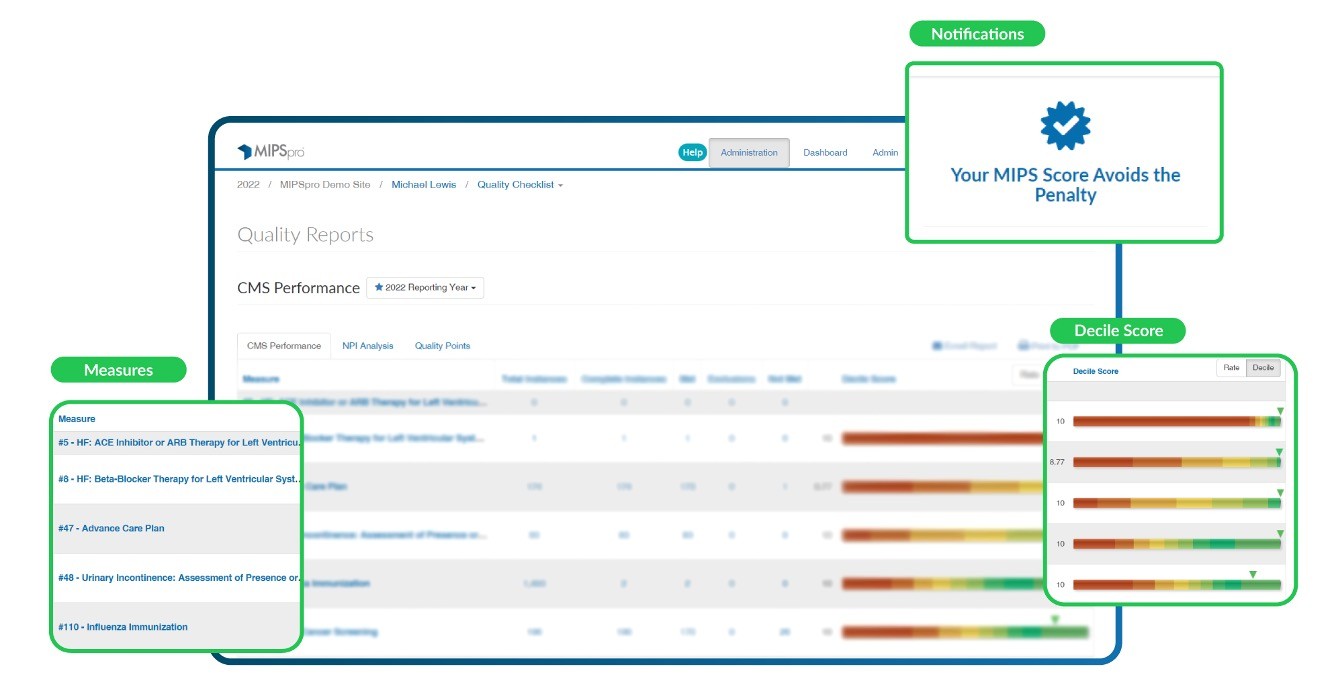
Score state messaging reframed to highlight that the user now avoids the penalty and can still improve.
Contextual CTA invites users to explore deeper analytics and cost tracking instead of generic help.
Consistent panel layout makes each category feel scannable, so upsell prompts land without adding clutter.
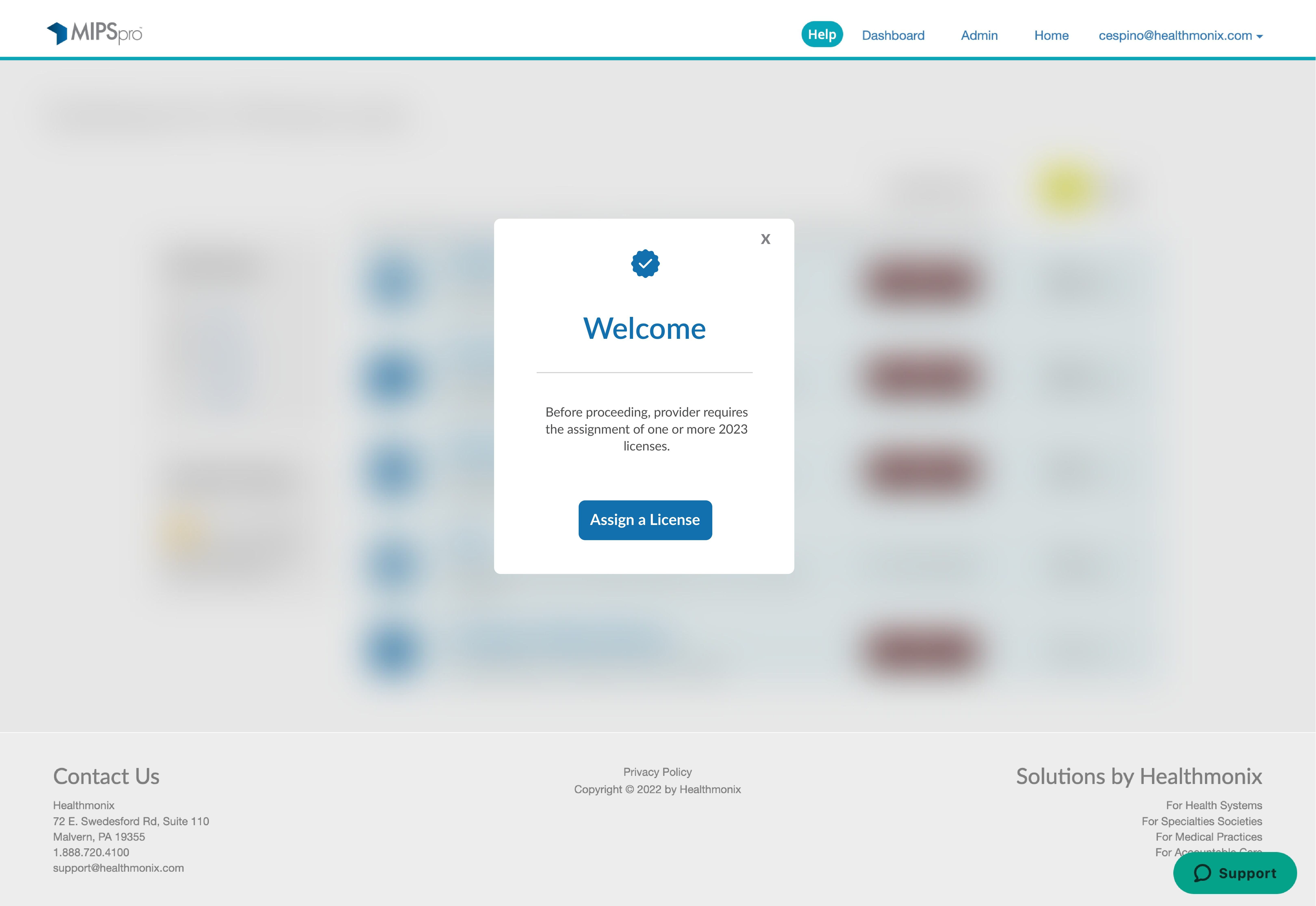
Micro-interactions that drive action - Five upsell moments woven into the existing workflow. Instead of bolting on banners, I designed a series of discrete states that appear when they are most useful: at login, while scanning the dashboard, and inside specific performance categories. Drag each screen, to reveal the next.
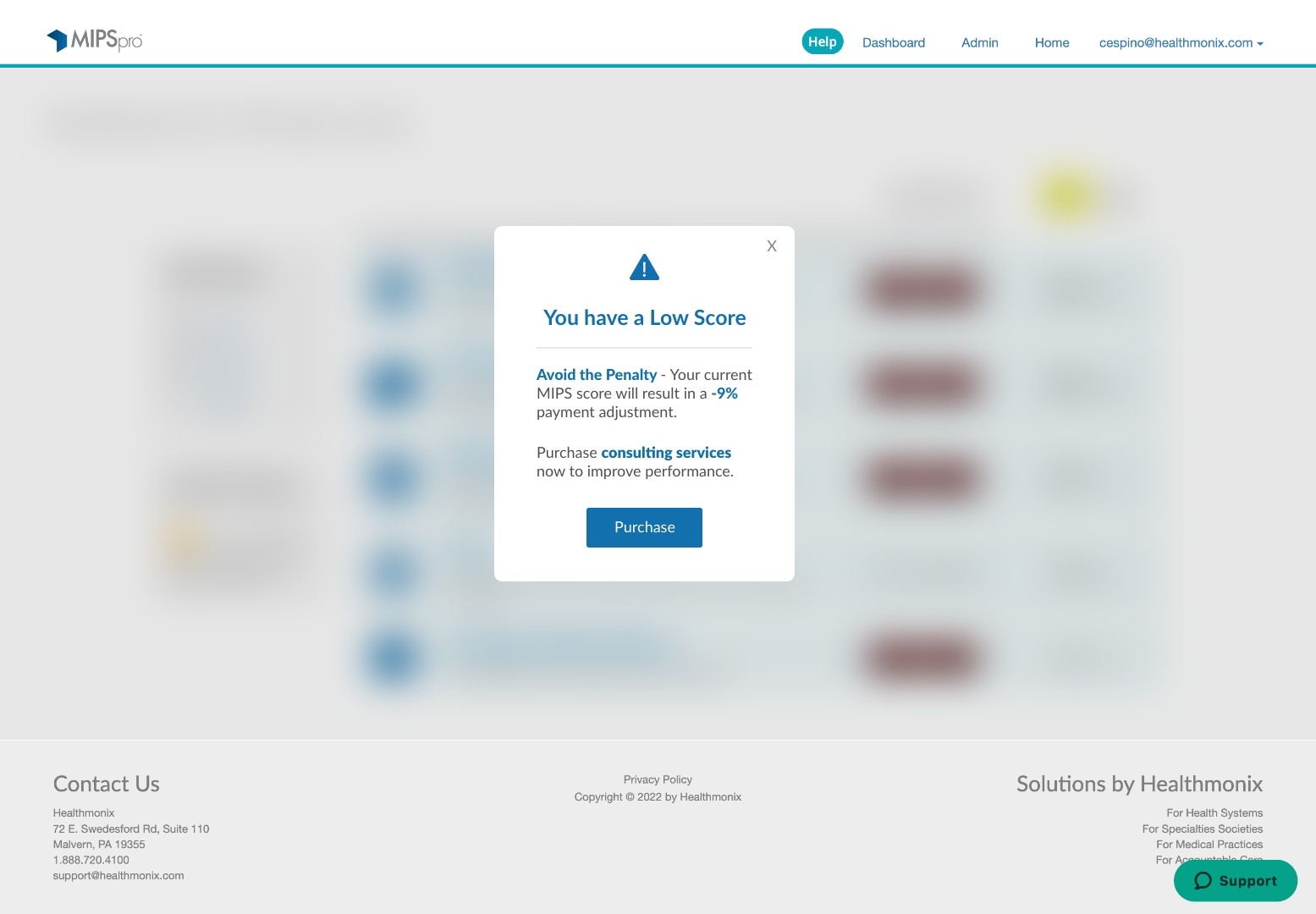
1 - Low score modal
Explains penalty risk + route to consulting services.
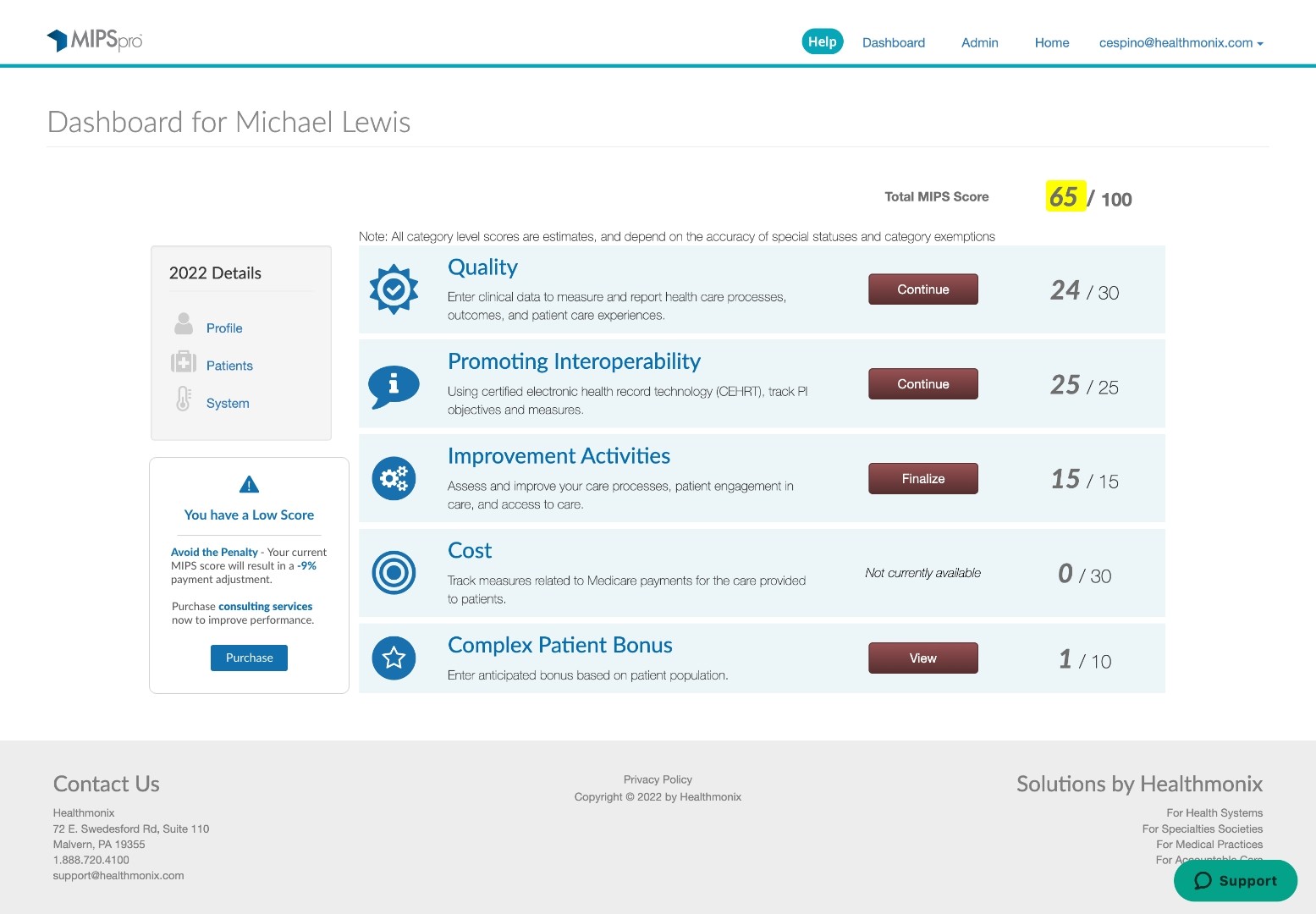
2 - Score tooltip
Microcopy explains how to raise the overall score.
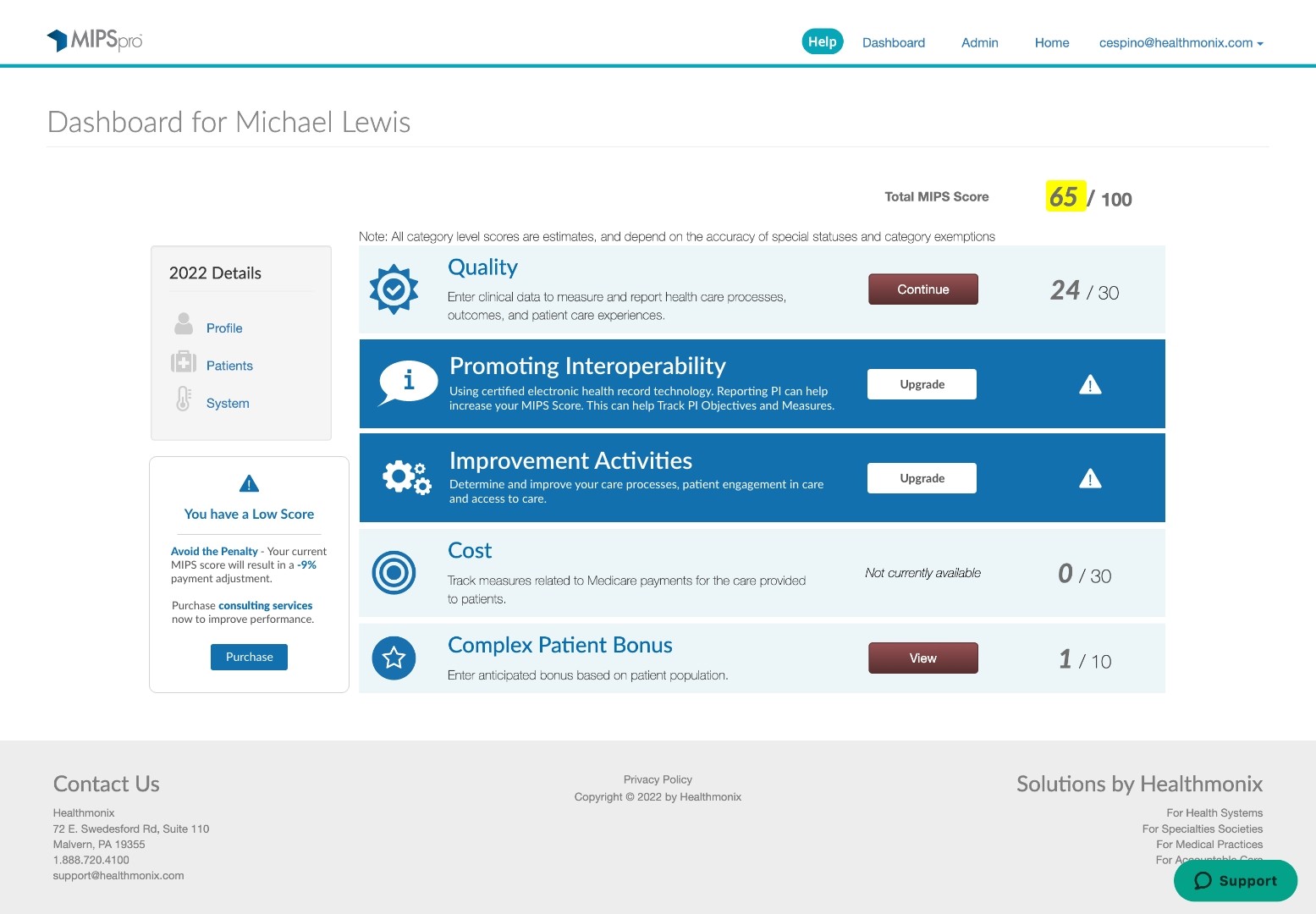
3 - Highlighted measures
Shows where consulting or add-ons can move the needle fastest.
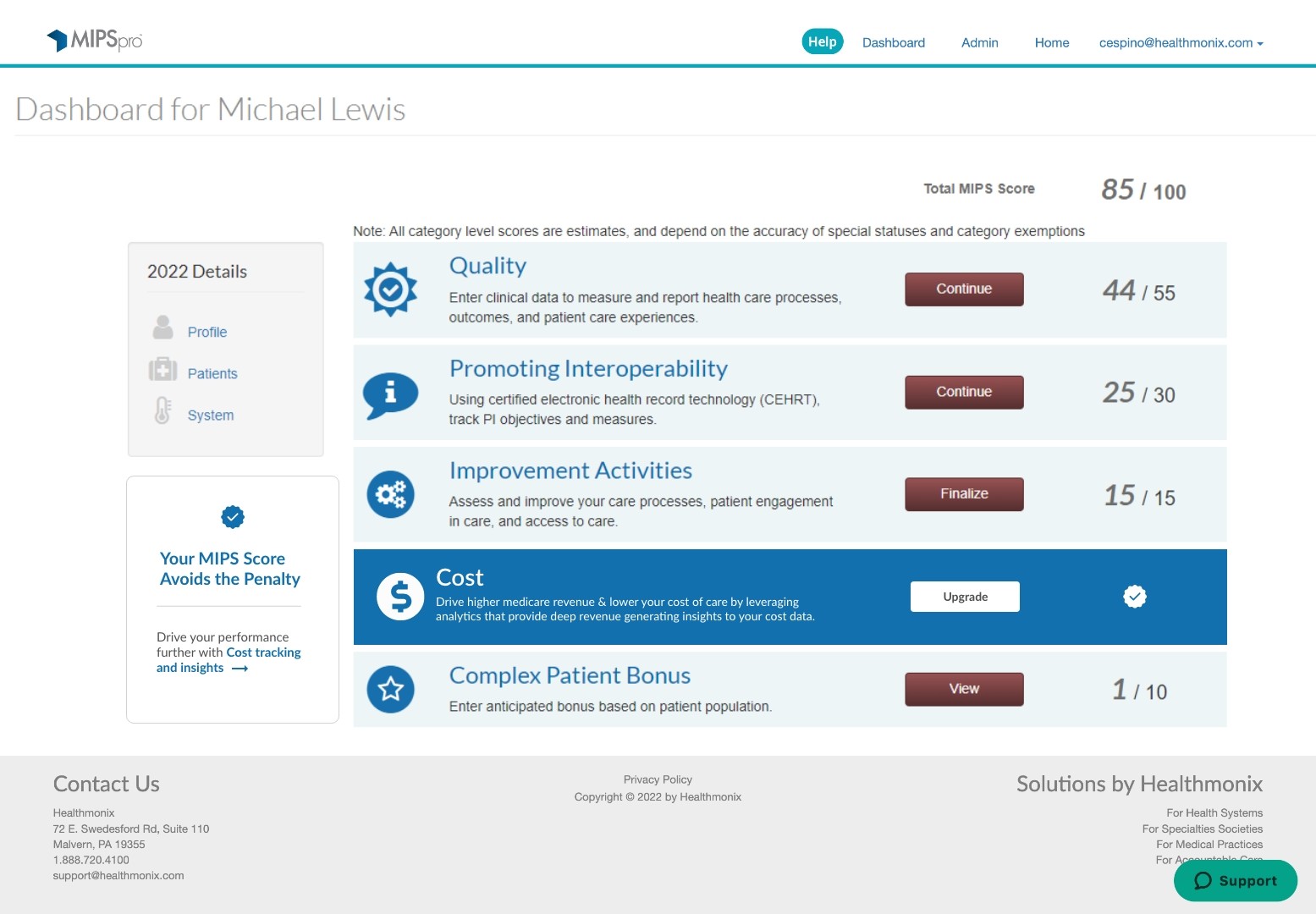
4 - Cost insights card
Positions cost analytics as a revenue growth tool, not just an upsell.
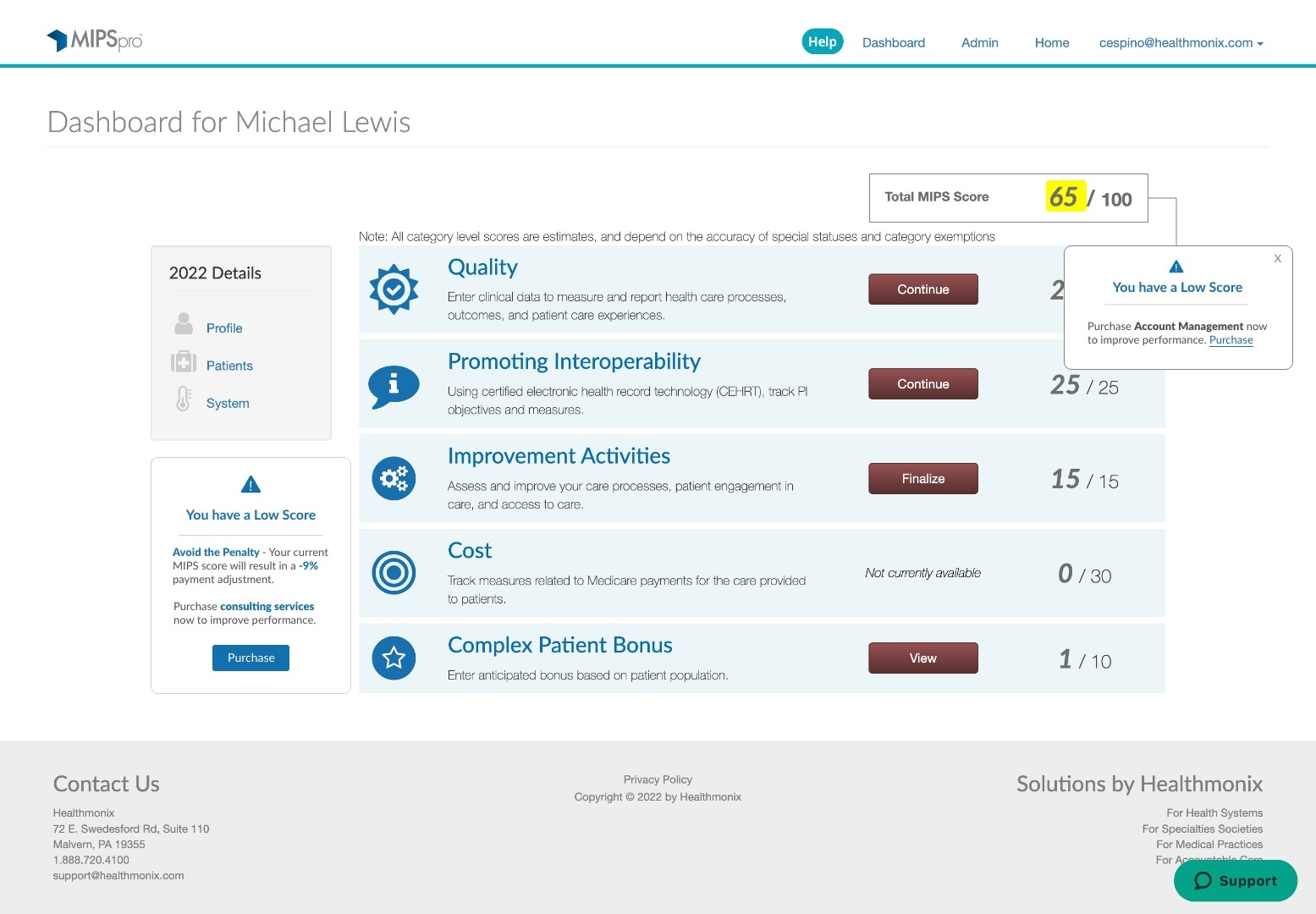
5 - Account Mgmt nudge
Bridges the gap between product usage and higher-touch managed services.
Introduction of new ways to report (MIPS Value Pathways) - Urges to Buy a MVP license to get access to this new feature. You can select a pathway that contains new measure sets to report on.
Section B · Campaign & Content Design – Webinars · Programmatic · Landing pages
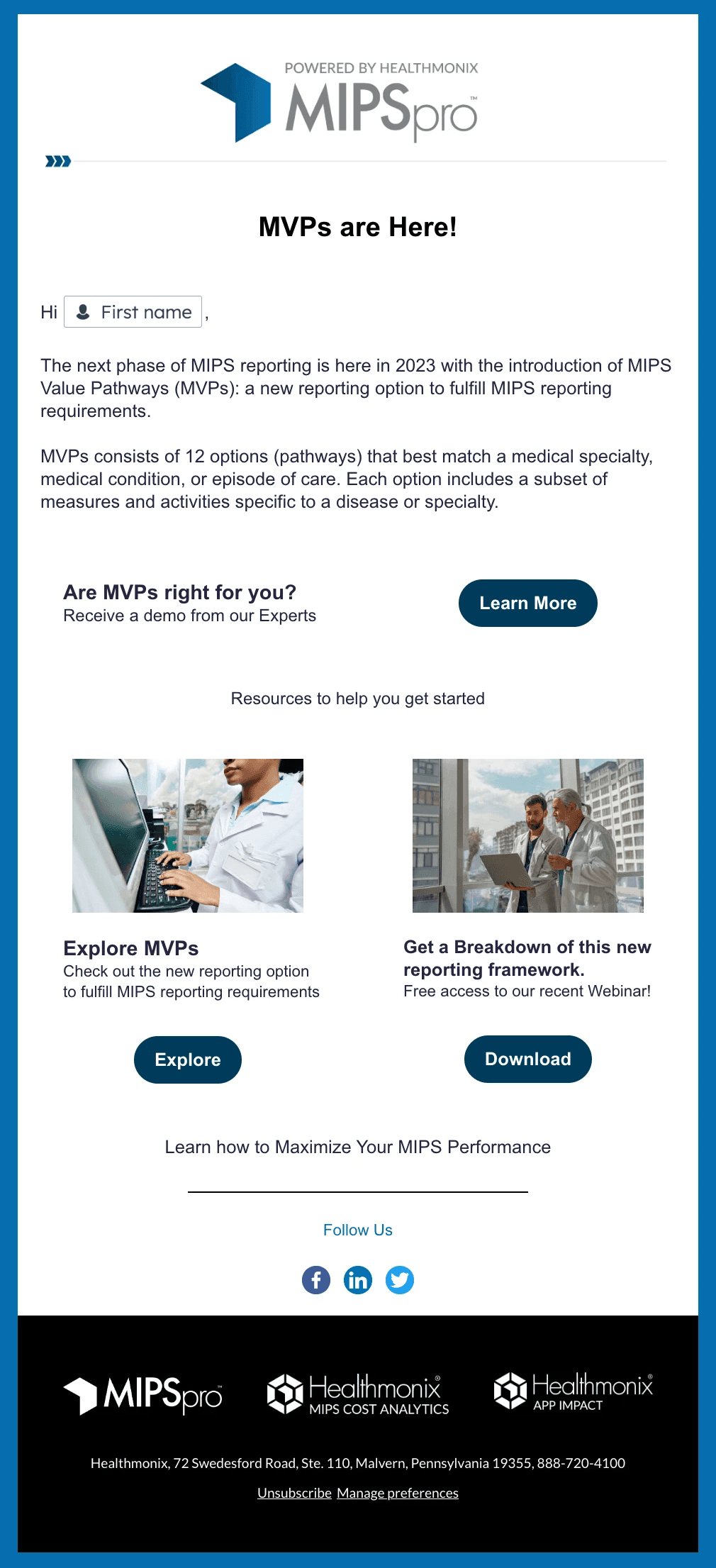
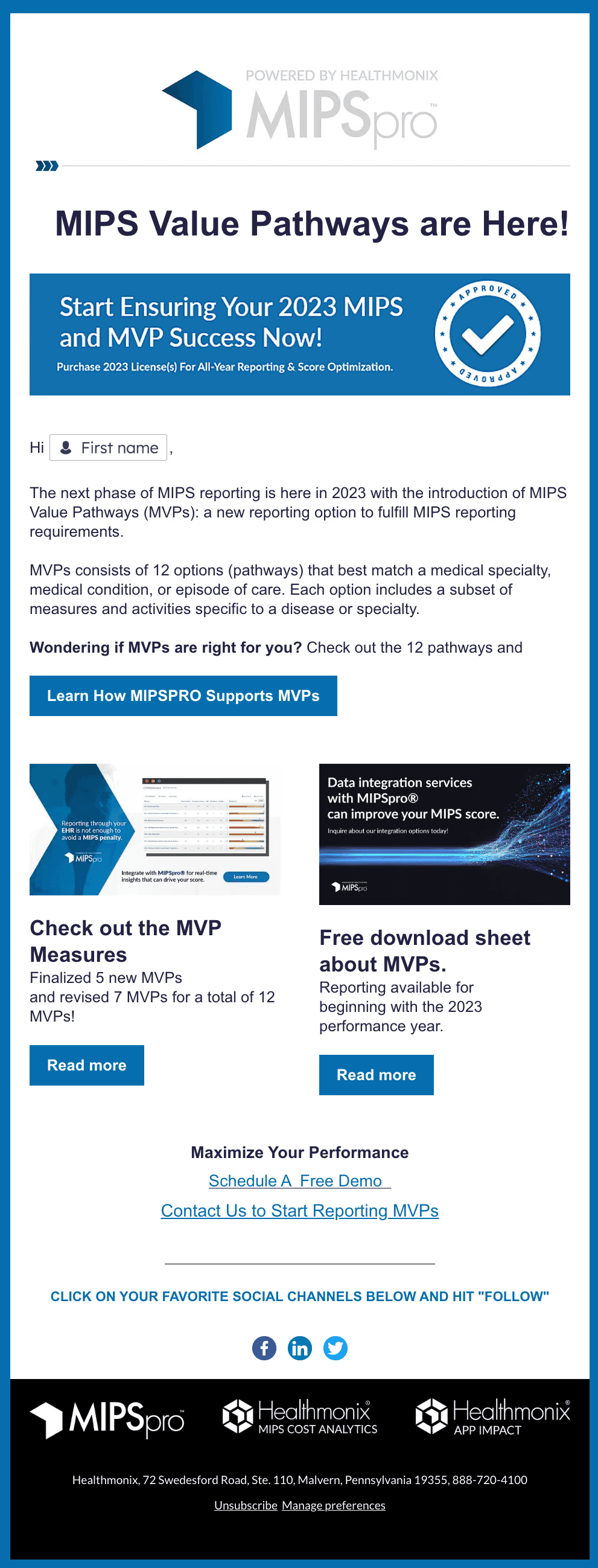
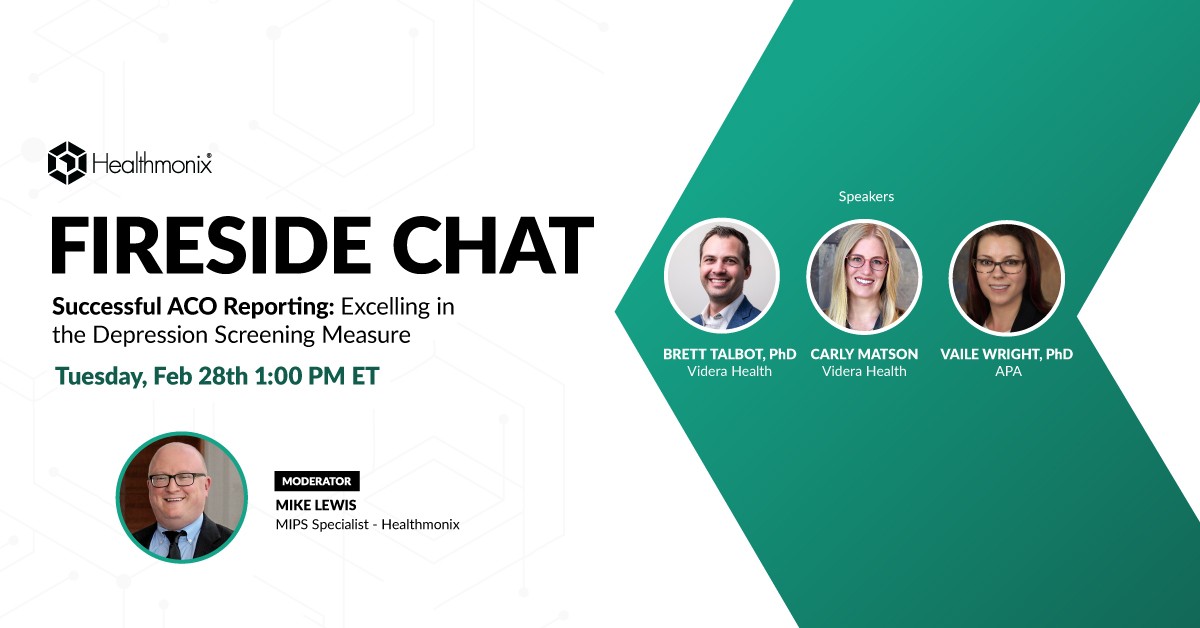
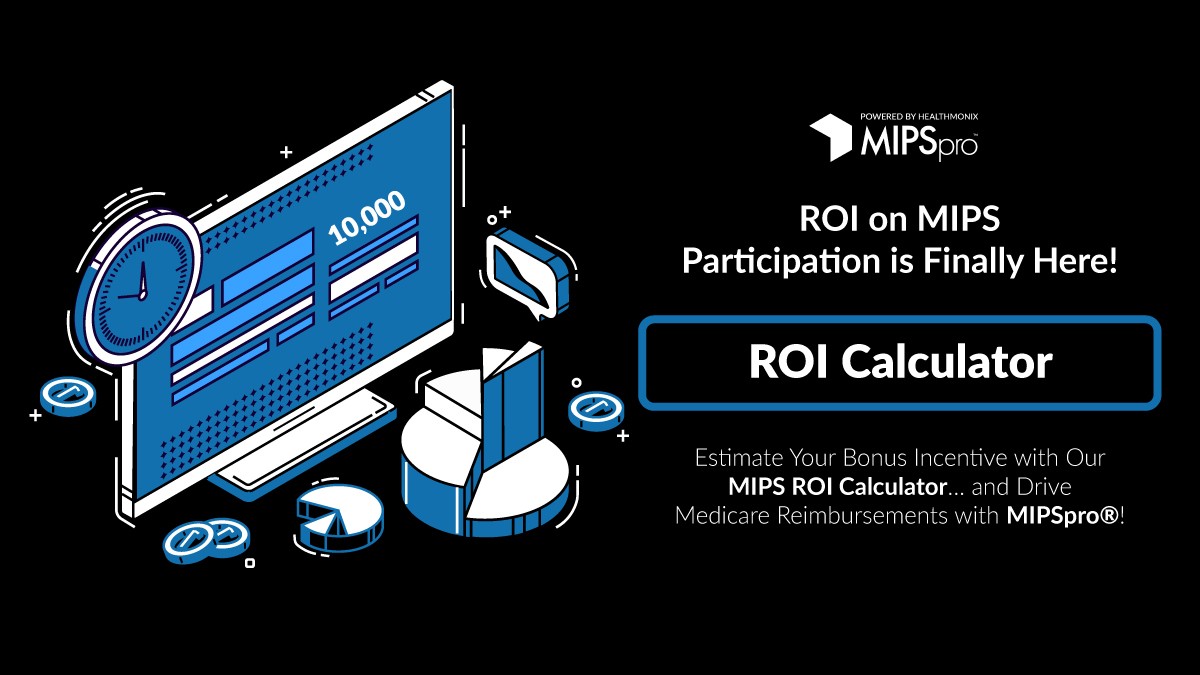
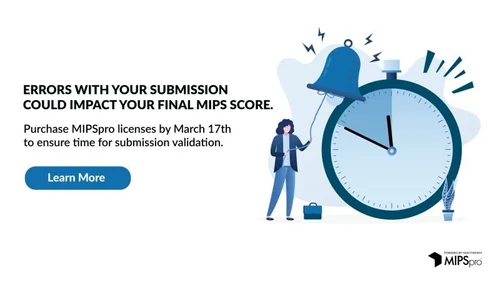
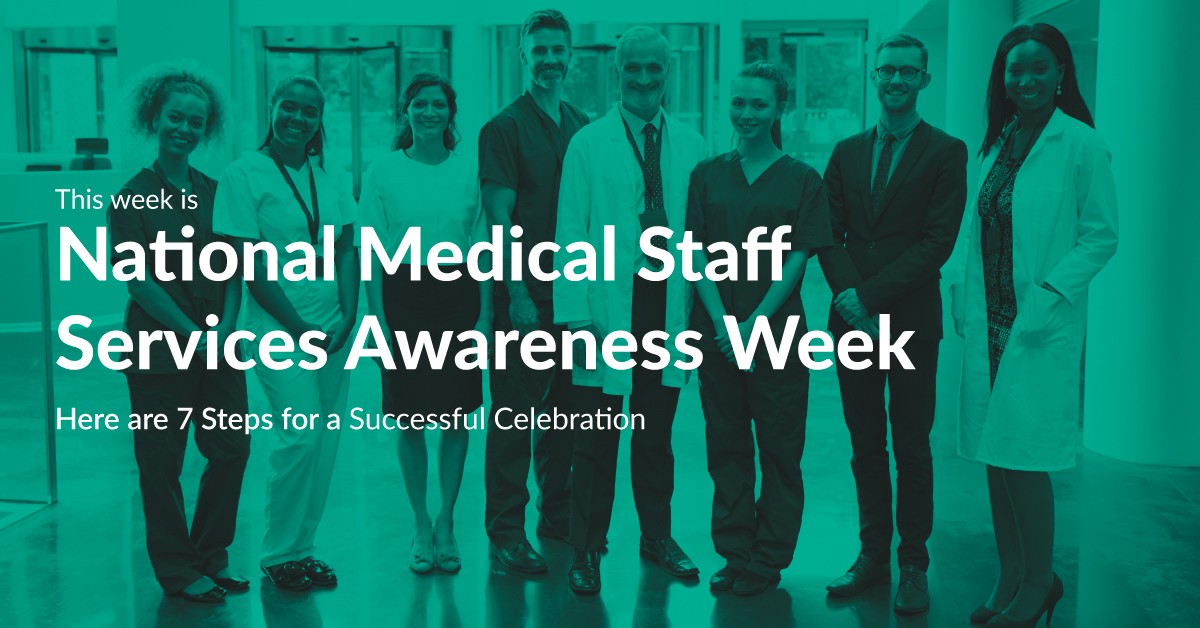
Campaign & content design - Giving performance reporting a more human face. Beyond the product UI, I built a visual system for campaigns: programmatic ads, webinar promos, and educational pieces that helped demystify regulatory changes and make Healthmonix feel like a trusted partner, not just a reporting tool.
Framing Healthmonix as a guide, not just a reporting vendor.
Framing Healthmonix as a guide, not just a reporting vendor. The same design language from the product carried into campaigns, so that every touchpoint reinforced a single message: “We help you understand your MIPS story and act on it.”
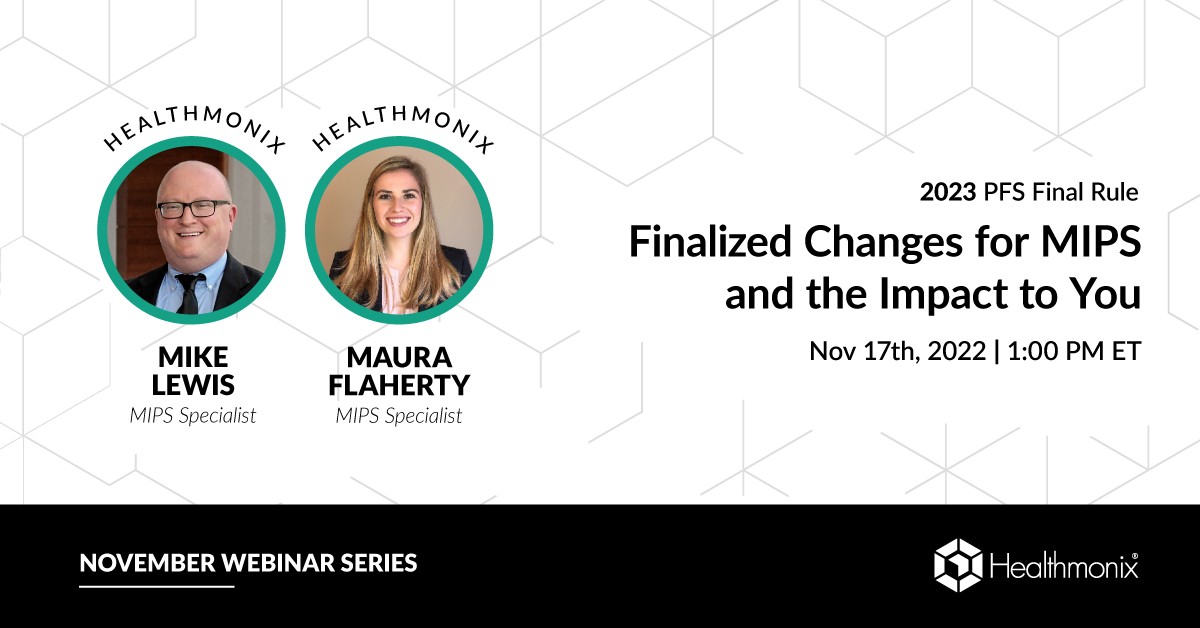
Webinar creative that simplified yearly CMS rule changes.
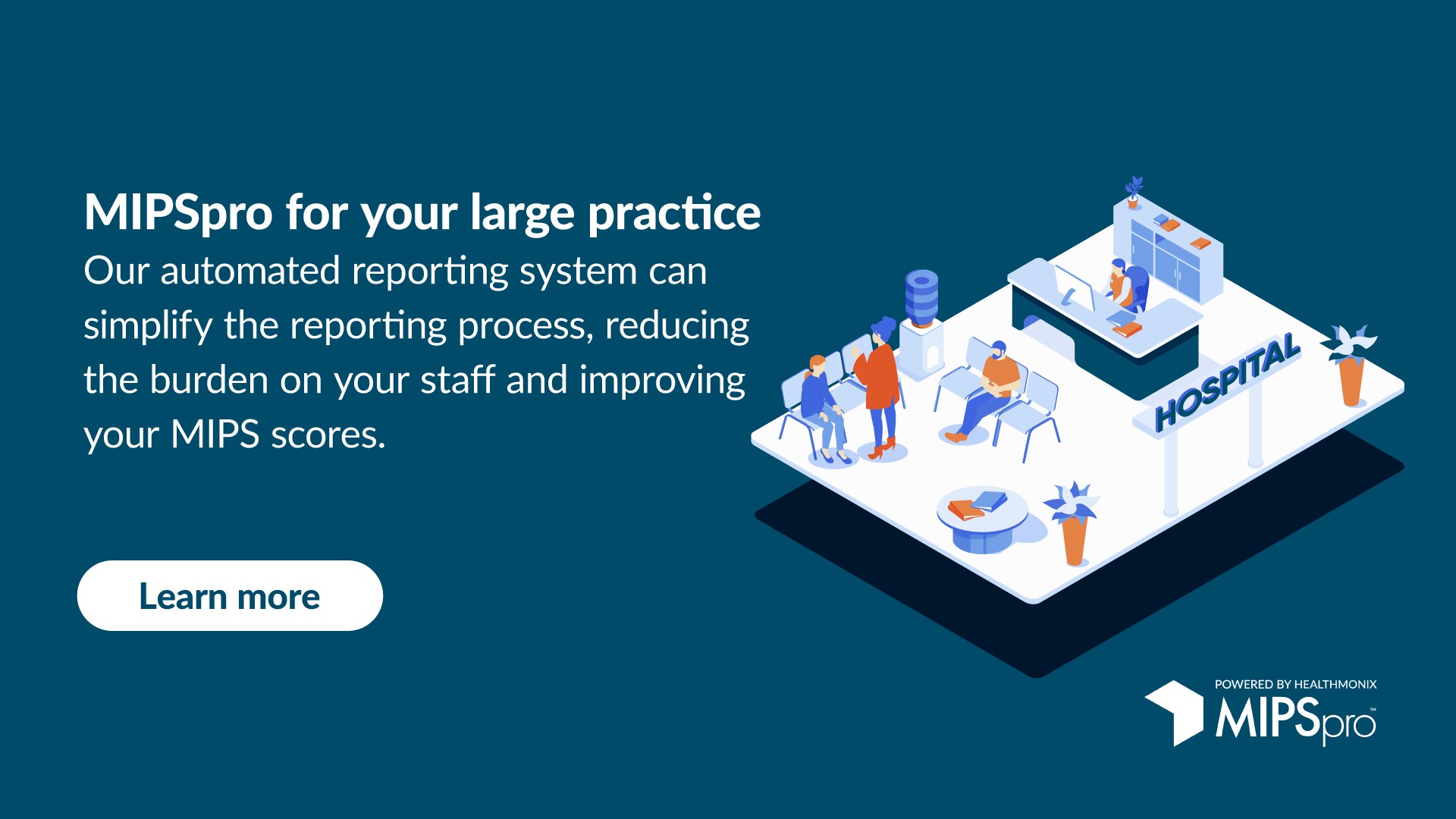
Programmatic ad families built as modular systems.
Landing pages that tied metrics to concrete financial outcomes.
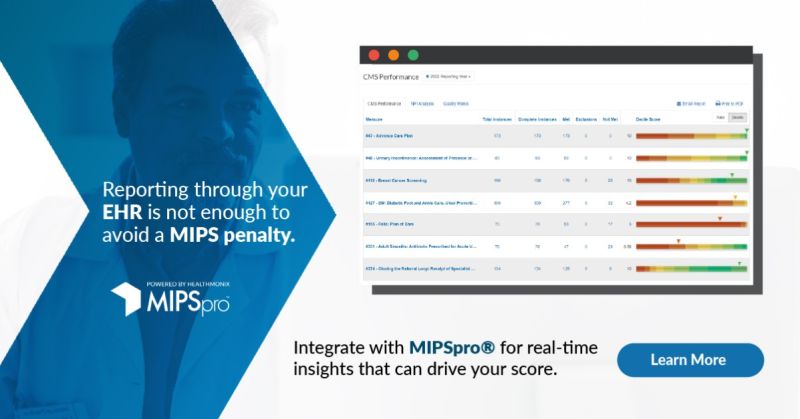
Data Integration Campaign
1600×900 hero · Display / Email
Used across webinars, nurture emails, and programmatic campaigns.
Consistent visual rules kept campaigns cohesive wherever they ran.
Creative framed Healthmonix as a trusted translator of CMS changes.
Section C · Website UX overhaul · Information Architecture
I redesigned key MIPSpro marketing and resource pages to reduce cognitive overload, improve content discoverability, and introduce clearer calls to action for purchase and education.
From “reference material” to decision guide
The website originally assumed every visitor knew MIPS rules and where to begin.
I reframed the experience around three user questions:
What should I review first?
What makes the biggest score impact?
How do I avoid penalties?
New conversion journey
Marketing → Guided discovery → Higher-value engagement
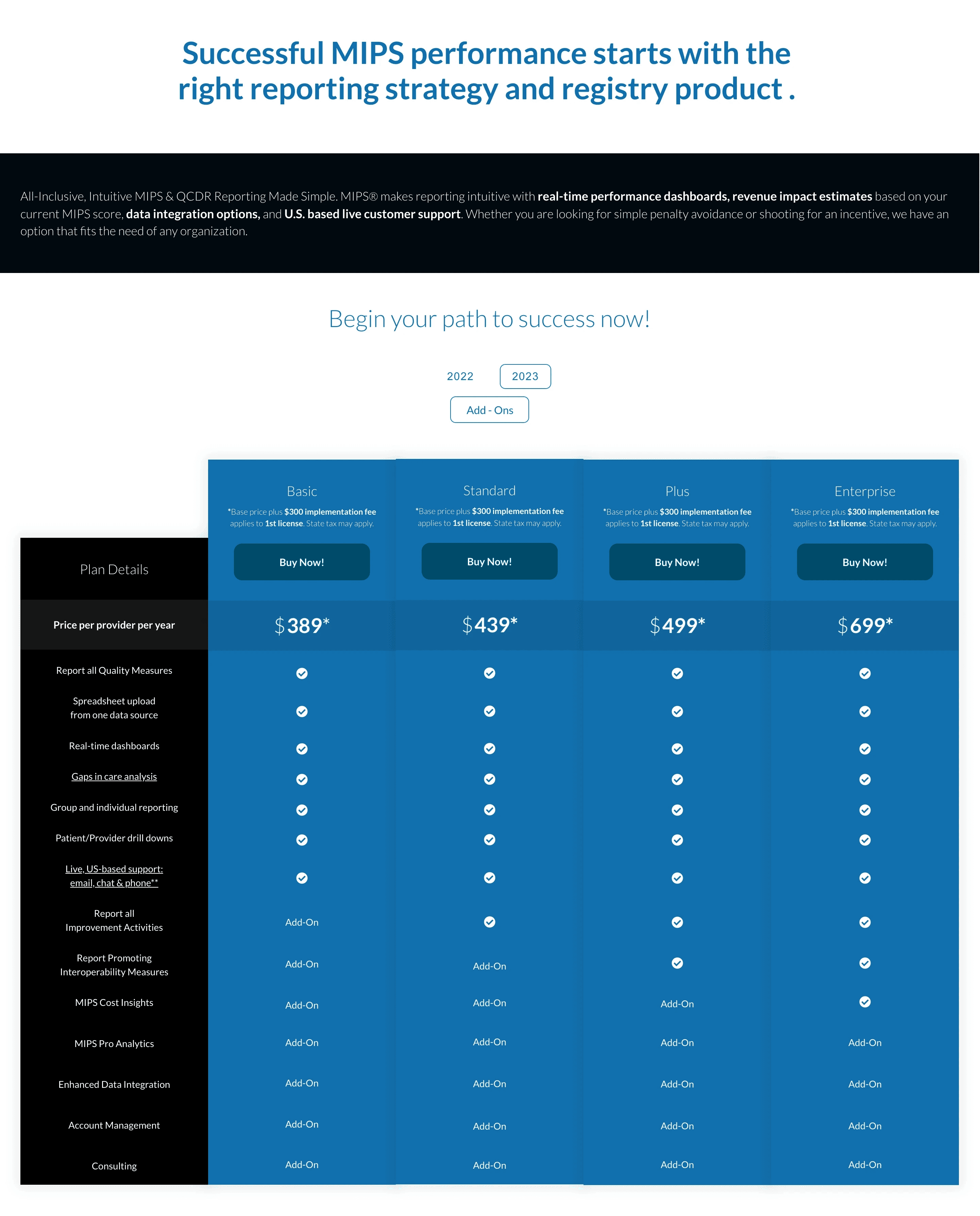
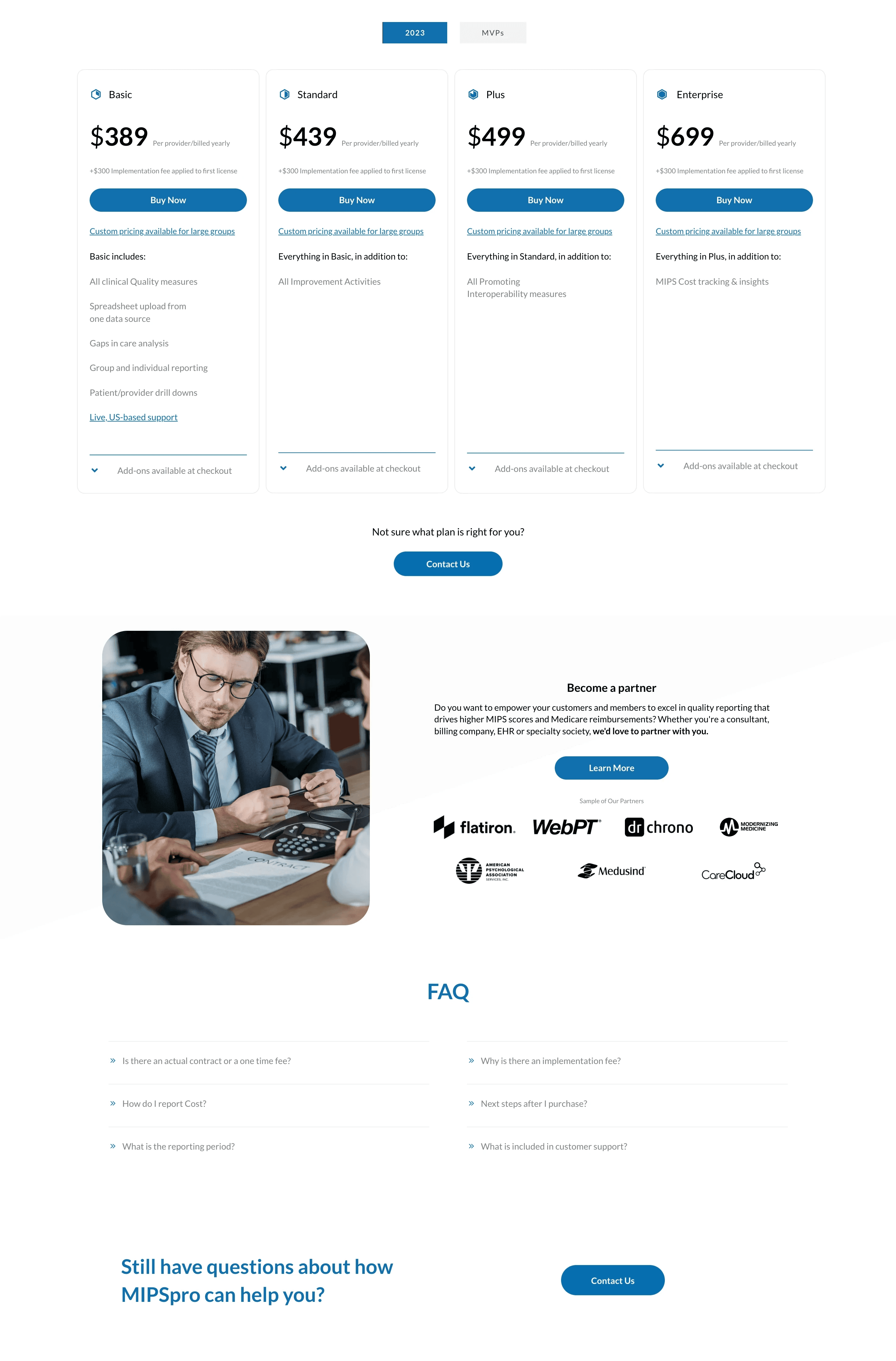
1. Pricing page – from dense wall to scannable plans
Re-balanced hero, plan grid, and FAQs so visitors can quickly compare tiers and find a clear next step (contact vs. buy)
Before → Legacy pricing layout
Heavy emphasis on a single stacked grid and dense copy, which made it harder to compare tiers at a glance or understand what to do next.
Issue: Visual overload
After → Refined plan grid & funnel
Clear headline, four card-based plans with consistent structure, and a secondary “Unsure? Talk to us” path for higher-touch buyers.
Outcome: Faster plan selection
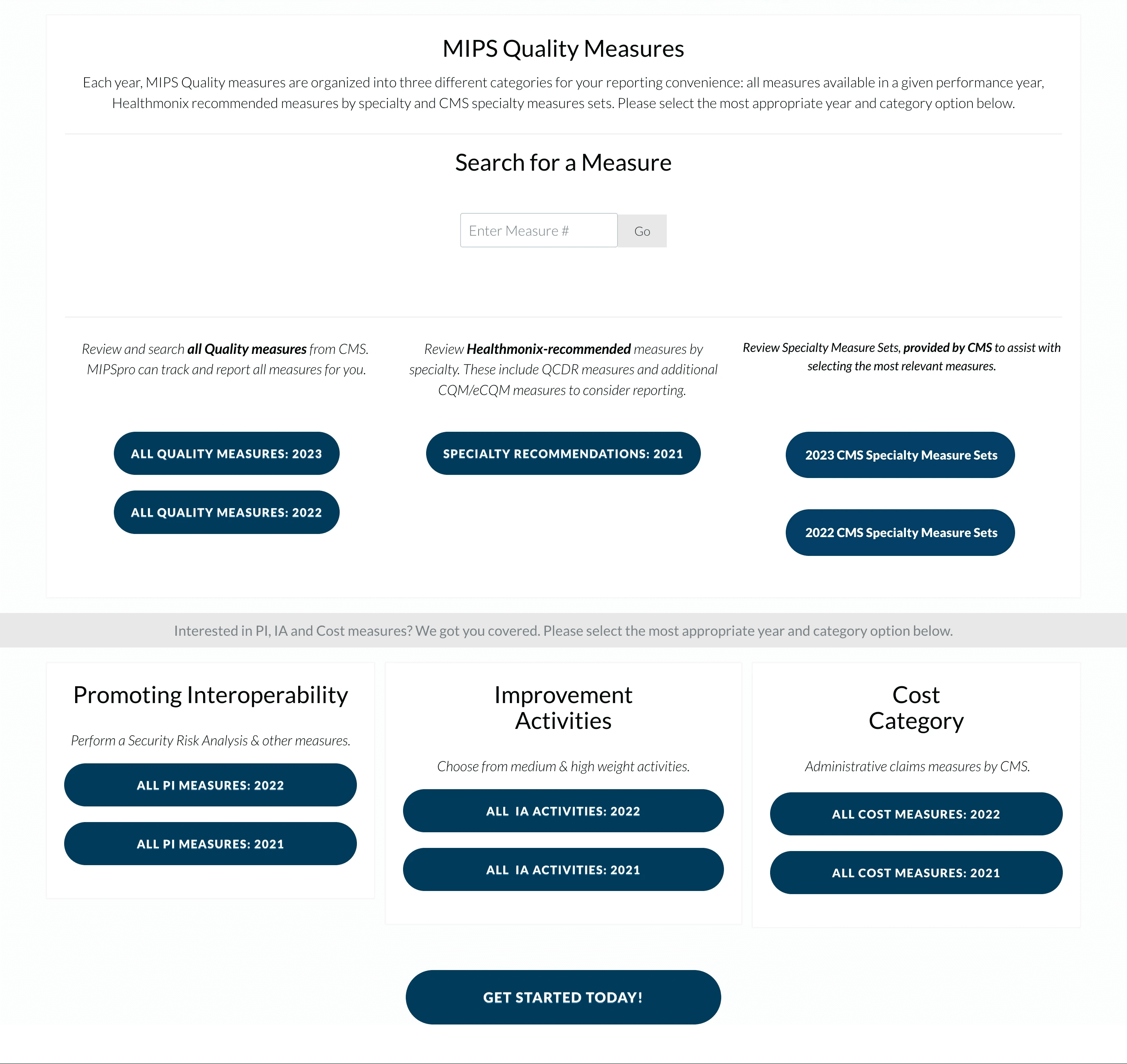
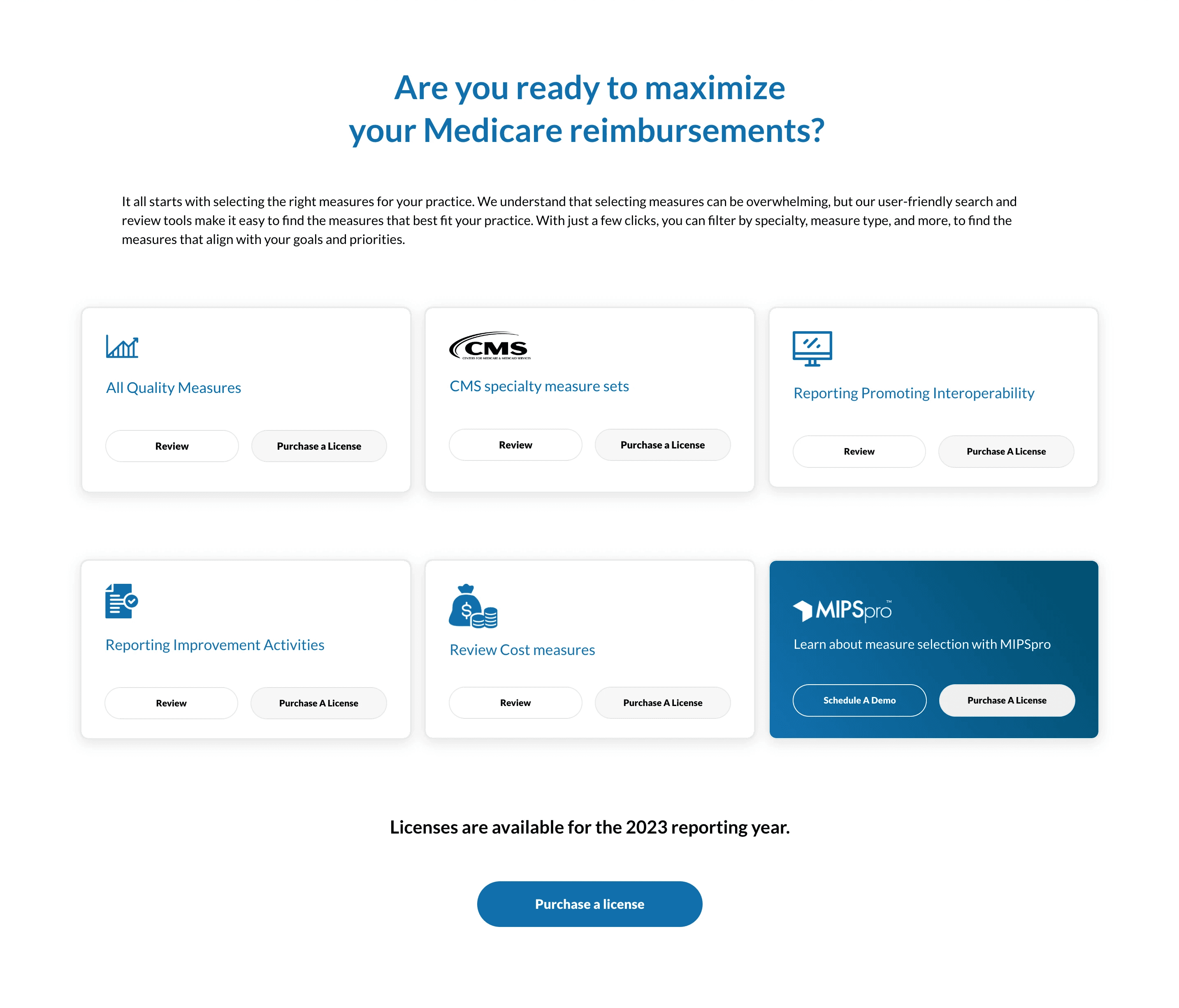
2. Measures hub – from text wall to card-based entry points
I Restructured the Quality / PI / IA / Cost entry point into a grid of cards, making it easier for practices to choose the right workflow.
Before → table dump | Measures landing page
Long scrolling copy and stacked buttons for each measure type; users had to read carefully to understand the difference between Quality, PI, IA, and Cost.
Issue: Hard to know “where to start”
After → guided grouping | Card-based measures hub
Hero copy reframed as an outcomes question (“Are you ready to maximize your Medicare reimbursements?”) and each measure category becomes a visual card with a clear “Review” vs. “Purchase a license” action.
Outcome: One-look orientation
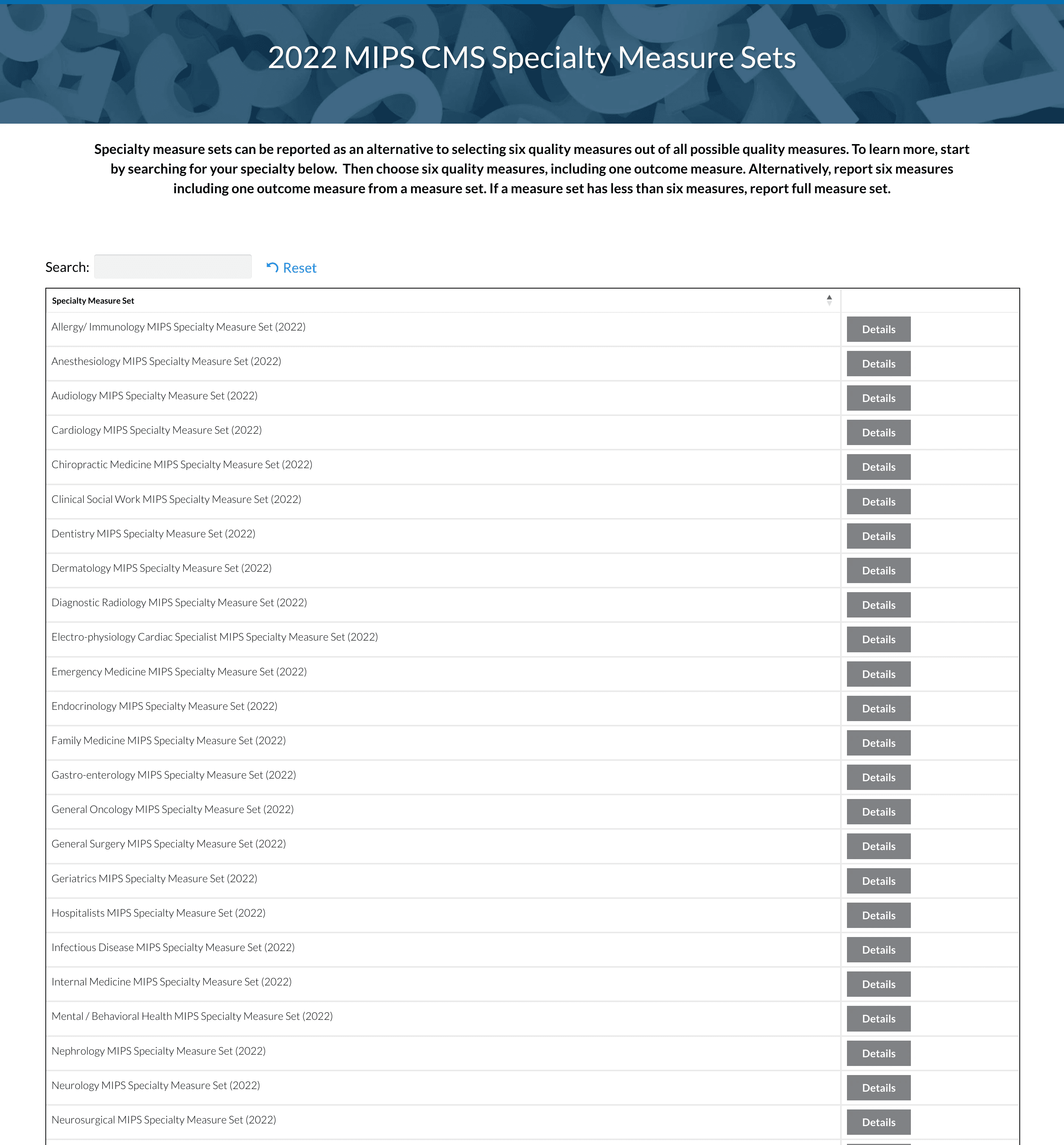
3. Specialty measure sets – long list to guided search
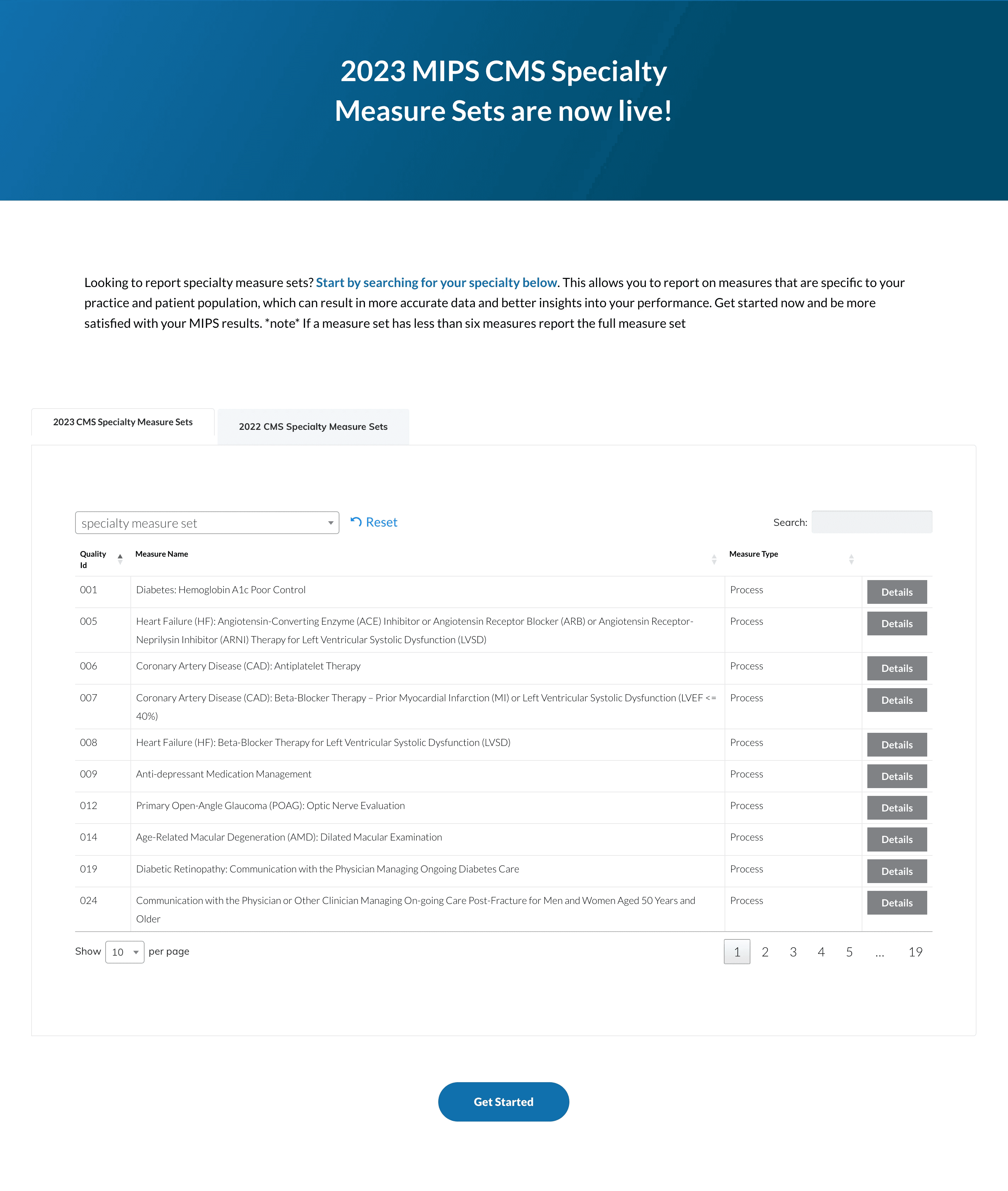
Simplified the way providers find their specialty set by adding search, tabs, and a cleaner table layout. I used Code Javascript/HTML to create and edit individual Measures and tables.
Before → Full specialty list on one page
All specialties displayed as one very long table, which made it difficult to quickly confirm “Is this my specialty?” without scanning dozens of rows.
Issue: Overwhelming scroll
After → Search-first specialty sets
Search input and year tabs above the table, plus concise helper copy, so clinicians can filter by specialty and immediately drill down into the right set.
Outcome: Faster “found my set” moment
Measurable Impact
Operational Improvements
• Faster campaign delivery, fewer revisions
• Clear handoffs between creative + product
• More consistent product story across assets
Brand Improvements
• Increased trust through clearer UI language
• Simplified navigation of complex offerings
• Better alignment with enterprise buyer expectations
Business Outcomes
• Improved conversion paths to pricing & demo requests
• Marketing able to support product growth faster
My Contribution
I aligned multiple teams around a single messaging system, turning complexity into clarity so users could finally navigate the platform with confidence.